
Hajj 2026: Key Developments and Preparatory Measures
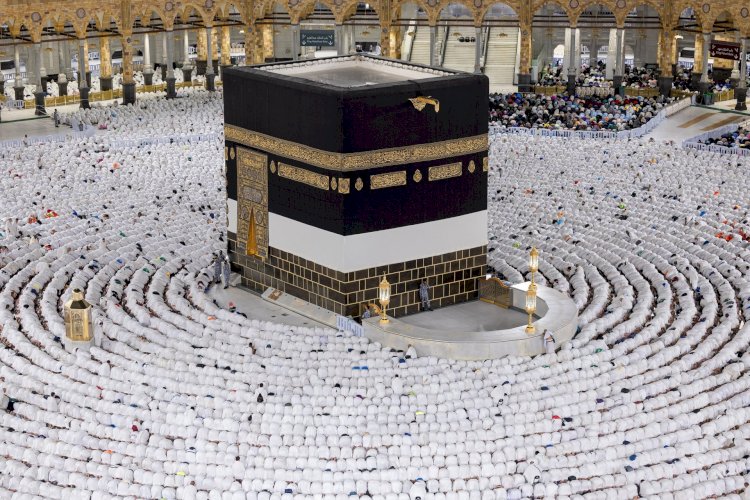
As the annual pilgrimage of Hajj approaches, Saudi Arabia has intensified preparations to receive pilgrims from across the world. Hajj, one of the five pillars of Islam, gathers millions of Muslims in the holy cities of Makkah, Mina, Arafat, and Muzdalifah. This year’s Hajj season has witnessed extensive organizational, technological, and humanitarian developments aimed at ensuring the safety and comfort of pilgrims.
According to official Saudi reports, more than 860,000 international pilgrims have already arrived in the Kingdom ahead of the Hajj rituals. The majority entered through airports, while others arrived through land and sea entry points. Saudi authorities have confirmed that all operational sectors, including transportation, accommodation, healthcare, and security services, are functioning at full readiness to handle the massive influx of worshippers.
One of the most significant developments this year is the large-scale infrastructure improvement at the holy sites. Saudi Arabia has expanded shaded walkways and cooling systems in Mina and around Mount Arafat to protect pilgrims from extreme summer temperatures. Authorities stated that shaded areas have been significantly increased, alongside the installation of mist fans, water stations, and medical response units. These measures aim to reduce heat exhaustion and improve overall pilgrim safety during outdoor rituals.
In addition, the Saudi Ministry of Hajj and Umrah has made the Nusuk Smart Card mandatory for all pilgrims. This digital identification card contains personal and logistical information and is required for movement between holy sites, transportation access, accommodation verification, and emergency services. Officials advised pilgrims to carry the card at all times to facilitate smooth movement and security monitoring.
Transportation management remains another major focus this year. Saudi authorities have activated an extensive crowd-control and transport strategy connecting Mina, Arafat, and Muzdalifah. Thousands of buses, train services, and security personnel have been deployed to regulate pilgrim movement during peak ritual periods. Advanced surveillance systems and route-monitoring technologies are also being used to prevent overcrowding and ensure safer travel between locations.
International Hajj missions from several countries have confirmed the completion of their camp and accommodation preparations. Many missions emphasized improvements in food distribution, sanitation, medical support, and guidance services for pilgrims. Heat prevention awareness campaigns are also being conducted to educate pilgrims about hydration, proper rest, and adherence to official movement schedules.
At the humanitarian level, concerns continue regarding Muslims from conflict-affected regions. Reports indicate that many Palestinians from Gaza are unable to perform Hajj this year because of travel restrictions and the ongoing regional crisis. This situation has drawn sympathy from Muslims worldwide during the sacred pilgrimage season.
Disclaimer
The views expressed in this article are the author’s own and do not necessarily mirror Islamonweb’s editorial stance.


Related Posts

















Leave A Comment