
Istanbul Hosts World Halal Summit and NGO Fair, with Gaza Recovery on the Agenda
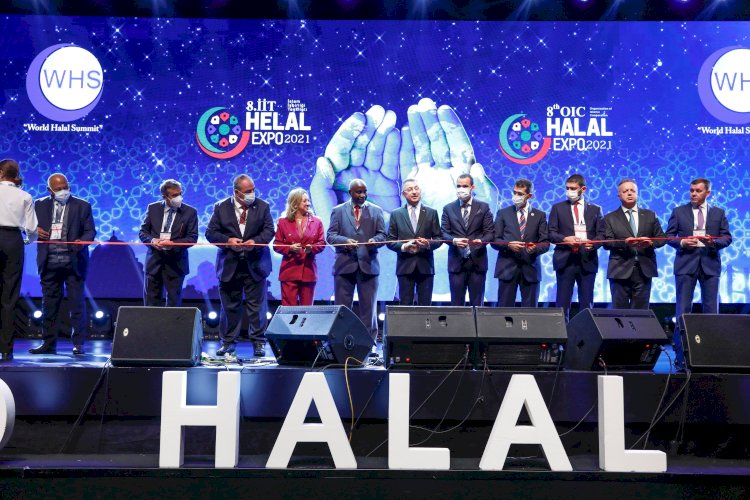
ISTANBUL, Türkiye, 28 November 2026 — Aid organisations seeking partners to support Gaza’s recovery gathered in Istanbul this week alongside businesses and regulators working to improve cooperation on halal standards. Two events at the Istanbul Expo Center brought them together: the fifth International NGO Fair and the 12th World Halal Summit, held alongside the Organisation of Islamic Cooperation (OIC) Halal Expo. Five cooperation agreements were signed on the halal side, while civil society groups used the fair to present projects and discuss how to sustain relief and reconstruction in war-affected communities.
The events opened on 25 November. The summit ended on 27 November, with the Halal Expo and NGO Fair continuing through Saturday, 28 November. Anadolu reported that the halal gathering hosted 225 companies from 25 countries, while 200 organisations from over 60 countries attended the NGO Fair.
Gaza and long-term recovery
Gaza was among the principal concerns at the NGO Fair, where the programme included a session on humanitarian access to the territory. Palestine’s Senabil Association for Youth and Development presented its relief and development work and sought international partners to support affected communities. Yemen’s HUMAN ACCESS delegation brought examples of its welfare programmes and explored cooperation on relief and development. The Türkiye Diyanet Foundation presented its experience in humanitarian assistance, education and social welfare.
Recovery in Sudan, Syria and Yemen also featured on the agenda, alongside humanitarian challenges facing Rohingya and Kashmiri communities. The organisers put a practical question at the centre of the reconstruction programme: how can aid groups respond to urgent needs while helping communities restore education, healthcare and livelihoods? Sessions also examined youth volunteering and the use of artificial intelligence in civil society. Eyüp Akbal, secretary-general of the Union of NGOs of the Islamic World, pointed to ways technology could help organisations identify needs and coordinate their response.
Five agreements at the World Halal Summit
Two of the five agreements signed on 25 November involved Vietnam. Its Commission for Standards, Metrology and Quality signed separate agreements with Türkiye’s Halal Accreditation Agency and the Standards and Metrology Institute for Islamic Countries (SMIIC). The institute also signed an agreement with Kyrgyzstan’s Centre for the Development of the Halal Industry, while the Saudi Halal Center held a separate signing with Kyrgyz counterparts. The fifth agreement was between Qatar Chamber and the World Halal Summit Council.
The agreements brought together institutions with different roles in the halal sector. Standards set out the requirements a product or process must meet, certification assesses whether it meets those requirements, and accreditation evaluates the competence of the bodies issuing certificates. For businesses trading across borders, closer cooperation among those institutions can help clarify which requirements apply and how compliance is assessed. The summit also put waste reduction on the agenda under its theme of building a more sustainable halal economy.
Holding the fair alongside the summit gave humanitarian groups a chance to meet businesses and potential donors in the same venue. The NGO Fair gave organisations such as Senabil and HUMAN ACCESS a chance to seek partners for work already under way. Those conversations centred on how to keep assistance going after the first emergency response and how to support the longer work of recovery.
Disclaimer
The views expressed in this article are the author’s own and do not necessarily mirror Islamonweb’s editorial stance.


Related Posts








Leave A Comment