
The Muslim 500 Releases 2027 Edition: Saudi, Pakistani and Turkish Leaders Share Top Rank
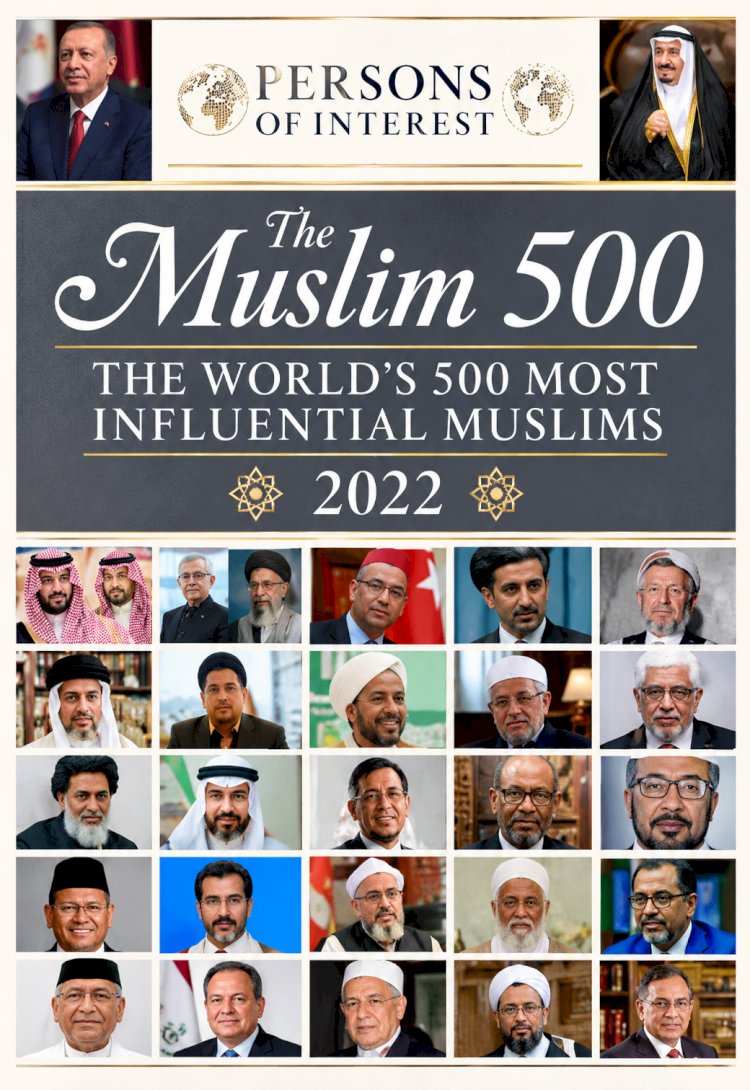
The 18th annual edition of the world’s 500 most influential Muslims places five leaders from Saudi Arabia, Pakistan and Türkiye in a historic joint first position, while recognising a Palestinian doctor from Gaza as Man of the Year.
The Royal Islamic Strategic Studies Centre (RISSC), based in Amman, Jordan, has released the 2027 edition of The Muslim 500: The World’s 500 Most Influential Muslims, highlighting prominent figures who have shaped religious, political, intellectual and social developments across the Muslim world.
For the first time in the publication’s 18-year history, the top position is shared by five individuals representing three countries: Saudi Arabia’s King Salman bin Abdulaziz Al Saud and Crown Prince Mohammed bin Salman, Pakistan’s Prime Minister Shehbaz Sharif and military chief Field Marshal Asim Munir, and Turkish President Recep Tayyip Erdoğan.
The publication presents their joint ranking in connection with developments in regional defence cooperation and the growing strategic importance of relations among Saudi Arabia, Pakistan and Türkiye.
The new edition also recognises Palestinian paediatrician Dr Hussam Abu Safiya, director of Kamal Adwan Hospital in northern Gaza, as its Man of the Year, drawing attention to his medical service during the war in Gaza and his continuing detention by Israel.
*Prominent figures in the Top 50*
Following the joint first position, the 2027 ranking places Iran’s Supreme Leader Ayatollah Sayyid Mojtaba Khamenei fourth, Jordan’s King Abdullah II fifth and Qatar’s Amir Sheikh Tamim bin Hamad Al Thani sixth.
Among the leading religious scholars are Mufti Muhammad Taqi Usmani of Pakistan, ranked seventh, and Yemeni scholar and spiritual guide al-Ḥabīb ʿUmar bin Ḥafīẓ, founder of Dār al-Muṣṭafā in Tarim, ranked eighth.
Other notable figures include Malaysian Prime Minister Anwar Ibrahim, ranked 13th, Indonesian President Prabowo Subianto at 16th, Nahdlatul Ulama chairman Yahya Cholil Staquf at 21st and Indonesian scholar Ḥabīb Luṭfī bin Yaḥyā at 31st.
*Indian Personalities Featured in the 2027 Edition*
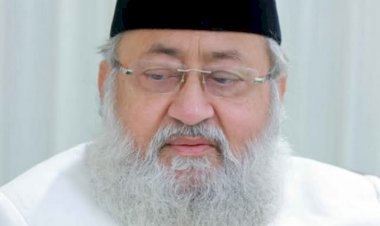
The 2027 edition also recognises several influential Muslim personalities from India, particularly in Islamic scholarship, religious leadership and public life. Among them is Dr Bahauddeen Muhammed Jamaluddeen Nadwi, founding Vice-Chancellor of Darul Huda Islamic University, Kerala, who is featured in the Scholarly category. The publication highlights his contributions to Islamic education, his extensive writings and translations, including a major Malayalam translation and exegesis of the Qurʾān, and his role as Editor-in-Chief of Islamic Insight, an international journal of Islamic studies. It also acknowledges his leadership within Samastha Kerala Jem-iyyathul Ulama and Samastha Kerala Jam’iyyathul Mu’allimeen. Other prominent Indian personalities featured in the publication include Sheikh Abubakr Ahmad, Sayyid Ibraheemul Khaleel al-Bukhari, Maulana Mahmood Madani, Maulana Syed Arshad Madani, Maulana Saad Kandhalvi, Mufti Abul Qasim Nomani and Dr Zakir Naik. Their inclusion reflects the continued influence of Indian Muslims across religious scholarship, education, community leadership and public discourse. themuslim500.com +3
*Gaza and Iran feature in Persons of the Year*
Alongside its annual ranking, the publication has selected two individuals whose experiences reflect the human cost of recent conflicts.
Dr Hussam Abu Safiya, named Man of the Year, was detained by Israeli forces on 27 December 2024 during a military operation at Kamal Adwan Hospital. The report highlights his determination to remain with patients despite repeated attacks, severe shortages of medical supplies and the loss of his son. He is also placed 50th in the overall ranking.
The Woman of the Year distinction goes to Fatemeh Zahra Sheikhabadi, a schoolgirl who survived the February 2026 attack on Shajareh Tayyebeh Elementary School in Minab, Iran. The publication honours her together with her classmates and teachers, recognising her efforts to speak publicly about the tragedy, including before the United Nations Human Rights Council in Geneva.
*Measuring influence across the Muslim world*
The Muslim 500 identifies influence through individuals’ capacity to bring about significant change affecting Muslims, whether through religious scholarship, political leadership, social engagement, cultural activity or economic power.
According to its editorial introduction, the selection draws on expert assessments, public nominations and social indicators, with lifetime contributions receiving greater weight than achievements during a single year. The publication emphasises that inclusion does not necessarily indicate endorsement of an individual’s views or actions.
The 2027 edition estimates the global Muslim population at approximately 2.2 billion. It ranks the leading 50 individuals, while the remaining 450 are presented across 13 fields, including scholarship, politics, religious administration, philanthropy, science and technology, media, arts and culture, and social issues.
The latest edition also includes a survey of major developments in the Muslim world, special coverage of Gaza and the West Bank, country-level assessments and contributions examining contemporary challenges facing Muslim communities.
The complete 2027 ranking and report are available on the official The Muslim 500 website
Disclaimer
The views expressed in this article are the author’s own and do not necessarily mirror Islamonweb’s editorial stance.

Related Posts










Leave A Comment