
Al-Juḥfah Discoveries Offer New Insights into the Historic Hajj Gateway
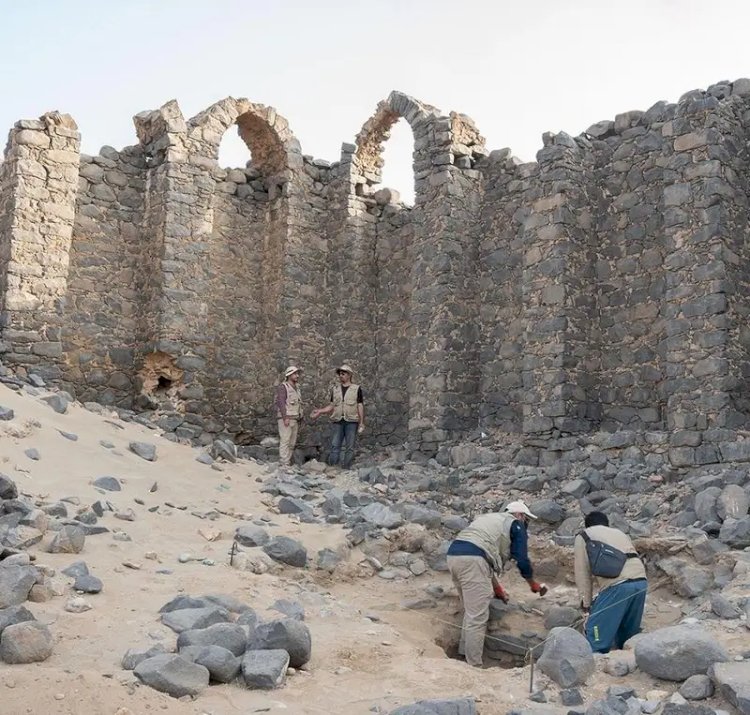
Recent archaeological discoveries at Mīqāt al-Juḥfah are shedding new light on the history of Hajj and the infrastructure that supported pilgrims on their journey to Makkah. The findings help document the historical significance of Al-Juḥfah as one of the most important gateways to the Holy Cities, serving generations of pilgrims arriving from Egypt, North Africa, the Levant, and beyond.
Saudi Arabia's Heritage Commission announced the discovery of more than 1,700 archaeological artefacts during the first phase of surveys and excavations at the historic site, conducted in cooperation with the University of Exeter. The discoveries provide valuable evidence of the vibrant activity that once characterised this major station on the pilgrimage routes of the Islamic world.
Among the recovered items were pottery fragments, glassware, stone tools, shells, beads, and various metal objects, offering a glimpse into the daily lives of travellers and residents who passed through the area over centuries. Archaeologists also uncovered six pottery kilns and a water channel, reflecting the site's well-developed infrastructure and its role in serving pilgrims' needs.
One of the most significant discoveries was a collection of 13 inscribed tombstones, some dating back to the Umayyad and ʿAbbāsid periods. These inscriptions provide important historical evidence regarding the individuals who lived, travelled, and were buried along this famous pilgrimage route.
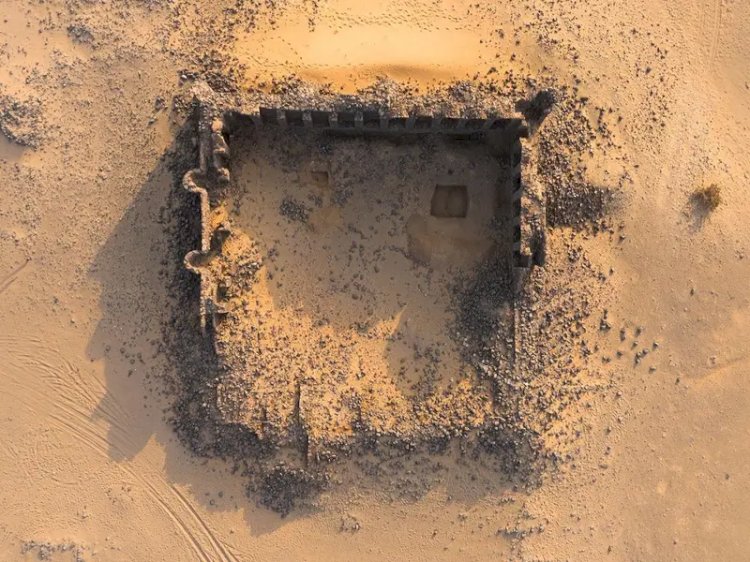
Researchers noted that several artefacts appear to have originated from regions such as Egypt, the Levant, and Ethiopia. This diversity highlights the international character of Hajj and demonstrates how pilgrimage routes facilitated not only religious journeys but also cultural and commercial exchange across the Muslim world.
Located approximately 182 kilometres northwest of Makkah, Al-Juḥfah is one of the historic mawāqīt (designated stations where pilgrims enter iḥrām). Historical records indicate that the area flourished during the early centuries of Islam, becoming an important settlement with markets, water facilities, and services for travellers heading to the Sacred Mosque.
The Heritage Commission stated that the project forms part of broader efforts to document and preserve archaeological sites connected to the Hijrah route and the history of Hajj. These discoveries contribute to a deeper understanding of the logistical networks, settlements, and services that supported millions of pilgrims throughout Islamic history.
As archaeological research continues across Saudi Arabia, the findings at Al-Juḥfah provide a remarkable window into the historical experience of Hajj, preserving the legacy of one of Islam's most important pilgrimage gateways for future generations.
Disclaimer
The views expressed in this article are the author’s own and do not necessarily mirror Islamonweb’s editorial stance.


Related Posts




















Leave A Comment