
Muslim World Welcomes Ramadan
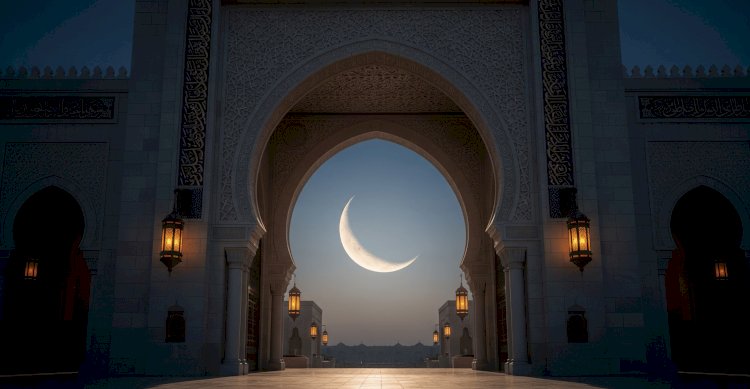
The crescent moon marking the beginning of Ramadan was sighted in Saudi Arabia on Tuesday, prompting authorities to announce that Wednesday, February 18, will be the first day of fasting in the Kingdom. The moon-sighting committee made the announcement on X, confirming the start of Ramadan 1447 AH. Qatar also declared February 18 as the first day of Ramadan.
In several other countries across Asia and beyond, the crescent moon was not sighted on Tuesday evening, leading authorities to declare that the holy month will begin on Thursday, February 19, based on local observations and astronomical calculations.
Start of Ramadan Across Countries
Authorities in Oman said the crescent could not be sighted as the moon set before sunset, making visual observation impossible. Similar announcements were made in Turkey, Malaysia, Brunei, Singapore, Japan, Philippines and Australia, all of which confirmed that fasting will begin on February 19.
In India, Ramadan is also expected to begin on February 19, subject to local moon sightings, in line with neighbouring countries in South and Southeast Asia. Countries including Pakistan, Bangladesh, Iran, Morocco and Mauritania did not conduct moon sighting on Tuesday as it was only the 28th of Sha’ban in those regions.
Fasting Hours Around the World
As Ramadan falls in winter in the Northern Hemisphere this year, fasting hours will be shorter for most Muslims living north of the equator, while longer fasts will be observed in the Southern Hemisphere. The number of fasting hours will gradually change as the month progresses.
Major cities and estimated fasting durations at the beginning of Ramadan:
Dubai (United Arab Emirates): around 12.5–13 hours
New Delhi (India): around 12.5–14 hours
London (United Kingdom): around 14–16 hours
New York City (United States): around 12–15 hours
Jakarta (Indonesia): around 12–13 hours
Sydney (Australia): around 13–15 hours
In southern countries such as Chile, New Zealand and South Africa, fasting hours are among the longest this year, starting at around 14–15 hours, though the duration will shorten as Ramadan progresses.
A Moving Lunar Month
Ramadan, the ninth month of the Islamic lunar calendar (Hijri), begins with the sighting of the crescent moon and lasts either 29 or 30 days. Muslims observe the month through fasting from dawn to dusk, increased prayer, charity and spiritual reflection.
Because the lunar year is about 11 days shorter than the solar year, Ramadan shifts earlier each year on the Gregorian calendar. This cyclical movement will result in Ramadan being observed twice in 2030 once in January and again in December.
The difference in the start date of Ramadan across countries reflects variations in moon-sighting practices and the use of astronomical calculations. While some countries rely strictly on local visual sightings, others consider regional reports or scientific predictions.
Disclaimer
The views expressed in this article are the author’s own and do not necessarily mirror Islamonweb’s editorial stance.


Related Posts


















Leave A Comment